What is Menopause?
Despite being a universal experience, menopause remains mystified among women of all ages. Let’s break down what it really means.
Summary
Menopause is defined as 12 consecutive months without a menstrual period. At this point, the ovaries no longer produce sufficient amounts of estrogen to provide the body. The menopause transition contains three milestones:
Perimenopause→ The ovaries begin to slow estrogen production, and symptoms are likely.
Menopause → The ovaries no longer release eggs, and 12 months have passed without a period.
Postmenopause → Any time after the 12-month menopausal threshold is now postmenopause.
(Cleveland Clinic, 2024)
Estrogen
Estrogen is a reproductive hormone present in both sexes but predominant in women. There are three forms of estrogen: estradiol in fertility, estriol in pregnancy, and estrone post-menopause. Until menopause, estrogen is responsible for functioning the female reproductive system.
Puberty → Levels rise to grow the breasts, fallopian tubes, ovaries, uterus, and vagina.
Menstruation → Resets reproductive cycle and develops uterine lining to prepare for pregnancy.
Fertility → Levels reach a maximum for ovulation to promote sperm fertilization and pregnancy.
Sexual Health → Keeps vaginal walls elastic to reduce pain during intercourse.
Pregnancy → Prepares for labor via fetal growth, placental blood flow, and mammary gland development.
(Cleveland Clinic 2022)
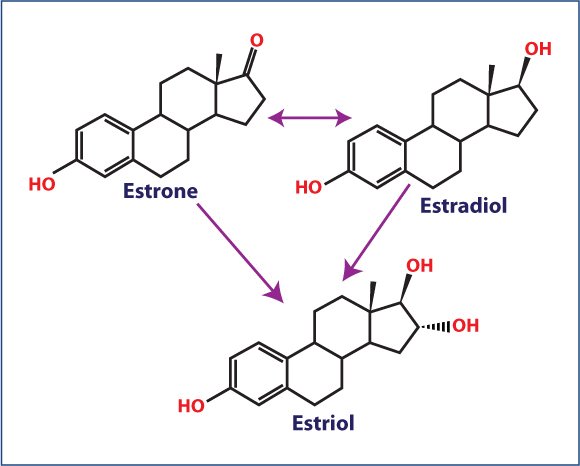
(Facts about Estrogen)

(MacMillan, 2023)
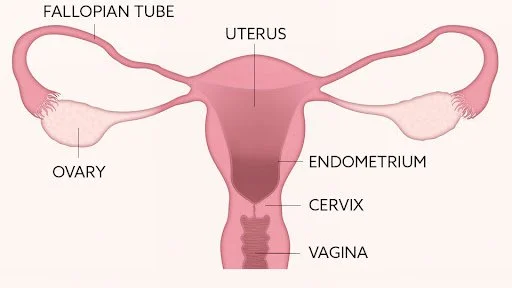
(Female Reproductive Health, 2024)
Beyond reproduction however, estrogen plays a significant role in bodily homeostasis. For instance:
Cognition → Boosts neurotransmittion, influences mood and focus, regulates serotonin and dopamine production, sustains circulation, and promotes neuroplasticity.
Circulation → Regulates cholesterol and keeps blood vessels flexible.
Bone Strength → Regulates bone regeneration sustain bone density.
Skin Elasticity → Promotes collagen and oil production.
Immunity → Balances immune response using both anti-inflammatory and defensive mechanisms.
Metabolism → Influences food processing, nutrient absorbtion, and microbiome diversity.
Muscle Strength → Improves muscle mass and joint lubrication.
(Haver, 2022)
Estrogen is a versitle resource for the body; consequently, when this supply drops during menopause, it is visible in all systems.
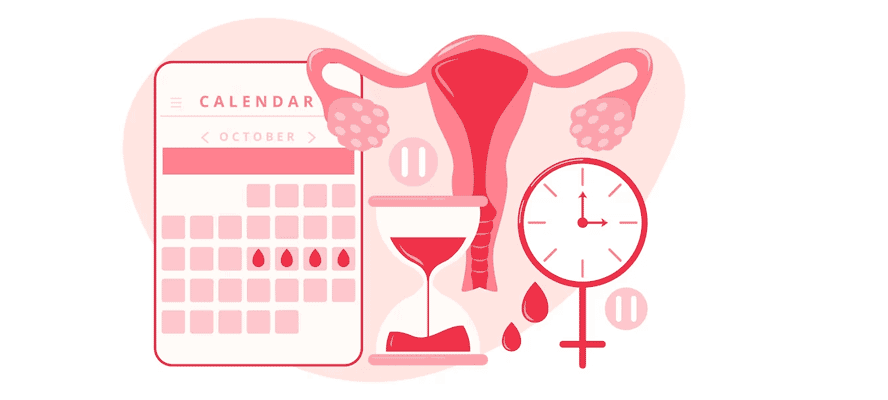
(HealthCareOnTime, 2023)
Symptoms at a Glance
Symptoms of menopause refer to the body’s response to a substantial lack of estradiol. Common symptoms include:
Irregular periods
Hot flashes
Night sweats
Vaginal dryness
Insomnia
Depression
Breast tenderness
Hair loss
(Cleveland Clinic, 2024)
Estrogen has a large functional range, and its depletion has distinct symptoms. However, these manifestations are not unique to menopause.