Diving Deeper
Evidently, estrogen plays a vital role in organ processes throughout the body. Therefore, to understand symptom overlap, estrogen must be observed with respect to organ feedback networks.
Hypothalamus Signaling
The hypothalamus is a neuroendocrine organ located at the bottom crest of the brain. Its function begins by interpreting the body’s vitals, then communicating with the pituitary gland beneath it. The pituitary is responsible for translating hypothalamus interpretations into tropic hormones, hormones aimed to promote other organs’ secretion. This relationship, called the hypothalamus-pituitary (HP) pathway, is the core of the endocrine system and its axes.
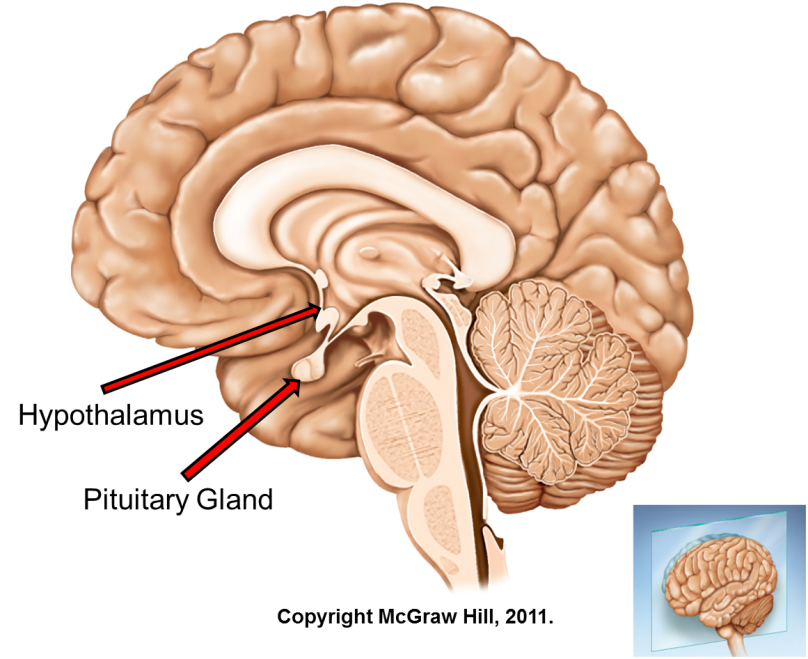
(Time of care, 2016)
The axes of the hypothalamus-pituitary pathway are formed by the specific organ the pituitary signals to. This system’s most HP-dependent branches are with the:
Thyroid (HPT axis) → Located in the neck; regulates temperature, growth, and metabolism.
Adrenals (HPA axis) → Located on each kidney; regulates metabolism and blood pressure.
Gonads (HPG axis) → Reproductive glands in both sexes; produce estrogen, progesterone, and testosterone.
(Johns, 2019)
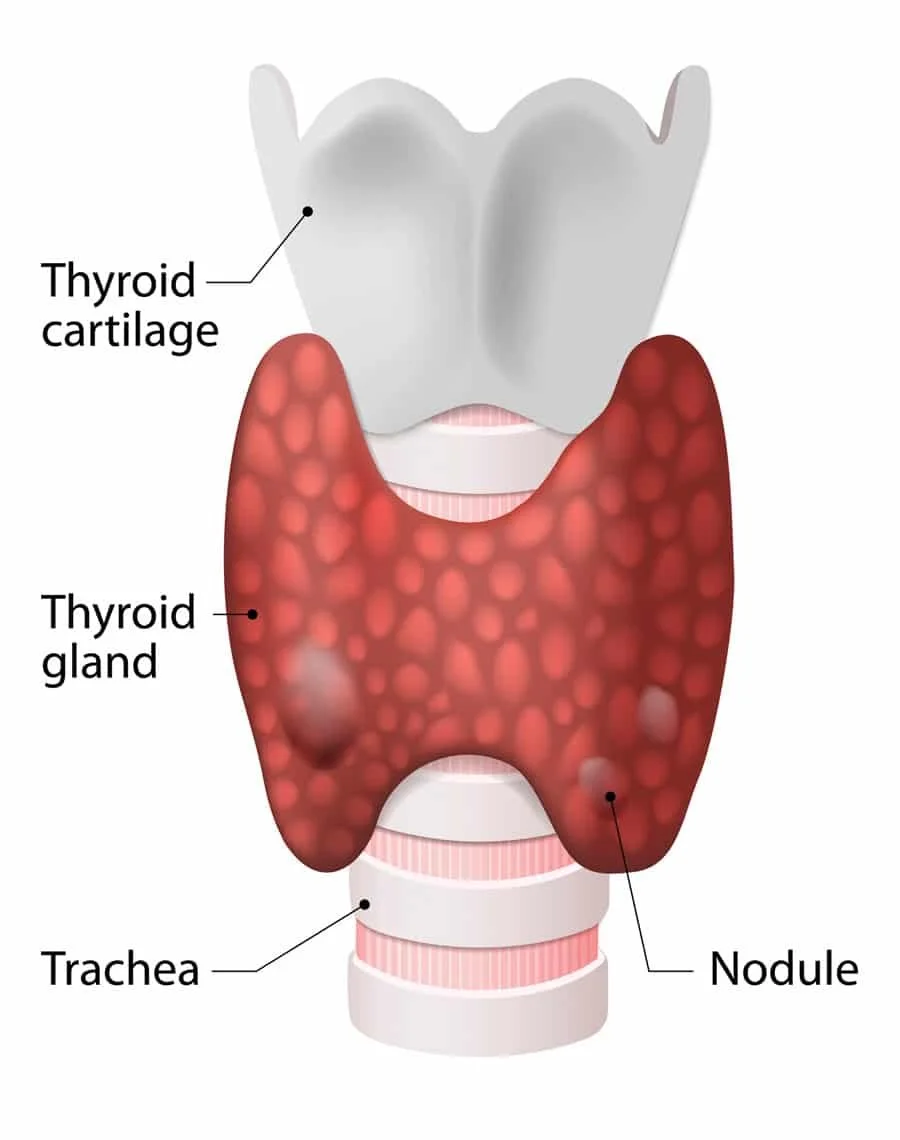
(Colorado, 2026)
Biological Aging
Biological aging (BA) refers to the functional age of a certain organ. This value depends on biomarkers such as glucose, insulin, cholesterol, etc. . Specifically, a lower organ BA indicates higher functional capacity, and vice versa.
It has been established that estrogen is significant in nearly all bodily processes. Likewise, it has been observed that during menopause, a substantial loss in overall estrogen, the effected organs experience a higher biological aging acceleration. In a 2025 comparison of two studies analyzing menopausal organ BA, one finding showed that across pre- and post-menopausal participants, liver BA specifically increased from -0.15 to 2.55 (Xiang et al., 2025). Evidently, estrogen depletion in menopause directly affects organ functionality.
Comorbid Conditions
Given estrogen’s relationship with other glands, it is common for menopause to put women at risk of comorbid, or coexistent, conditions. Common scenarios refer to:
Cardiovascular Disease → Changes in blood glucose, pressure, lipid levels, etc. increase cardiovascular risk (Kamińska et al. 2023).
Osteroperosis → Deficiencies in bone density and regeneration (Lee et al., 2026)
Metabolic Disorder → Reductions in overall metabolism, fat storage, and blood sugar regulation (Jeong & Park, 2022).
Alzheimer’s Disease → Reduced synaptic transmittion, or ‘brain fog’, increases risk of Alzheimer’s (Mervosh & Devi, 2025).
Thyroid Dysfunction → Disrupts thyroid hormone networking and blood concentration (Roofs, 2012).
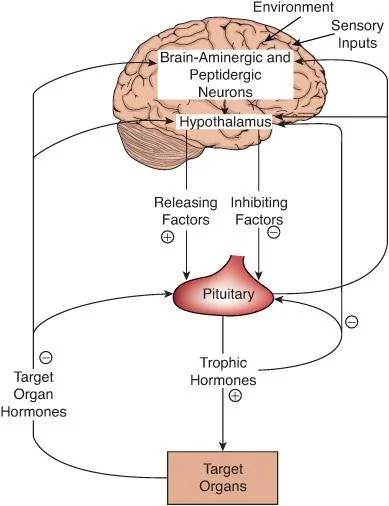
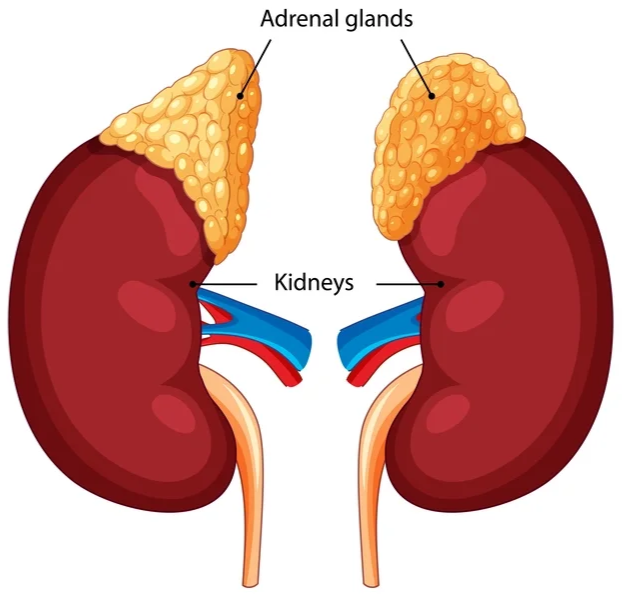
(Misra, 2025)
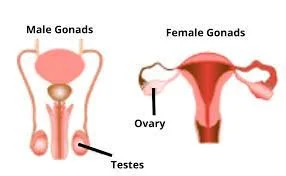
(Gonad, 2025)
Comorbid conditions manifest as comorbid symptoms; likewise, reduced estrogen supply makes physiological interpretation more difficult for women in the midlife transition. This phenomenon is especially relevant for thyroid dysfunction.
(UFO Themes, 2017)